
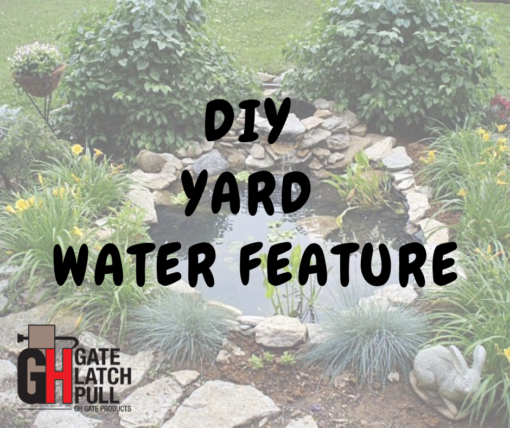
DIY Yard Water Feature
Transform your backyard with a beautiful, relaxing water feature using a pond kit, natural stone, and aquatic plants.
Water features make attractive focal points and bring a peaceful atmosphere to your yard. Installing a small backyard pond can be an affordable DIY project that allows you to customize your landscape and give your outdoor space a decorative edge.
With the right supplies and a little planning, you can create a lovely, serene feature that complements your garden and adds character to your property.
Follow these steps to build your own backyard water feature.
What You'll Need
Before beginning your project, gather the basic tools and materials needed to install your pond.
Tools
- Shovel
- Work gloves
- Garden hose
Pond Materials
- Pond kit
- Protective underlayment
- Rubber pond liner
- Natural rocks
Decorative Elements
- Aquatic plants
- Floating water lilies
- Decorative stones
- Mulch for surrounding landscaping
Choose Your Pond Kit
Your water feature needs several components to keep the water circulating, clean, and attractive.
Most home improvement stores and landscaping suppliers carry pond kits containing the essential equipment for a small backyard water feature.
Pump
A pump circulates water through the pond's filtration system and fountain, helping prevent stagnant water.
Filter
A filtration system helps remove debris and maintain cleaner, clearer pond water.
Fountain or Bubbler
A fountain or bubbler agitates the water and improves oxygen exchange while adding the relaxing sound of moving water.
You can purchase a preformed plastic pond mold, often available in a kidney-shaped design, or create a custom pond using a flexible liner.
Build Your Water Feature
Once you've gathered your supplies and selected a location, you're ready to begin installation.
-
Mark and Dig the Pond
Determine where you want the water feature in your yard and mark the outline using landscape marking paint.
Dig a hole wide and deep enough to accommodate your pond design and equipment.
If you're using a preformed pond, follow its dimensions and installation instructions.
-
Install the Underlayment and Liner
Underlayment protects the rubber pond liner from damage caused by rocks, roots, and other sharp objects beneath the surface.
Spread the underlayment across the bottom and sides of the hole, allowing it to extend beyond the edges.
Next, place the rubber pond liner over the underlayment and temporarily secure both materials with large rocks.
-
Fill the Pond Halfway
Using a garden hose, fill the pond approximately halfway with water.
The weight of the water helps the underlayment and liner settle naturally into the shape of the pond.
As the water level rises, adjust the liner to remove unnecessary folds and ensure it fits properly.
Leave enough liner around the perimeter to secure and conceal it beneath the surrounding rocks.
-
Position the Pump
Follow the manufacturer's directions to assemble your pond kit and install the fountain nozzle of your choice.
Place the pump housing near the center of the pond, ensuring it can remain fully submerged during operation.
Carefully position rocks around the pump base to help keep it stable without blocking its water intake.
Additional accessories, such as diverter valves and tubing, may be purchased separately depending on your design.
-
Decorate the Pond
Begin arranging rocks and decorative elements around the pond to create a natural-looking water feature.
Use larger stones to frame the pond and smaller decorative rocks to fill gaps or create visual interest.
You can also add landscape accessories to complement the surrounding garden.
-
Add the Finishing Touches
Finish filling the pond with clean water.
Arrange rocks and mulch around the perimeter to completely conceal the underlayment and rubber liner.
Add aquatic plants, such as floating water lilies, to bring color and natural beauty to the water's surface.
Once the pond is filled and the pump is correctly installed, connect the fountain according to the manufacturer's instructions and test its operation.
Enjoy Your New Backyard Water Feature
With the pond filled, decorative stones in place, and fountain running, your new water feature is ready to enjoy.
A small DIY pond can turn an ordinary section of your yard into a peaceful focal point that adds charm and personality to your outdoor space.
Sit back, relax, and enjoy the soothing sound of flowing water in your own backyard!