
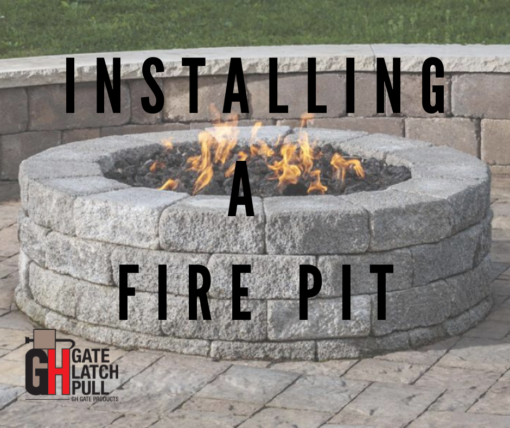
How to Install a Fire Pit
Create a welcoming backyard gathering space with a custom above-ground stone fire pit. Learn how to plan, prepare, and build your own.
Fire pits are a fantastic addition to your landscape, creating a warm and inviting place for family and friends to gather throughout the year.
A well-built fire pit can enhance your outdoor living space while requiring relatively little routine maintenance. With proper planning, suitable materials, and careful installation, you can create a custom feature that complements your backyard.
This guide covers the basic steps involved in building an above-ground stone fire pit, from choosing the right location to installing the final protective liner.
Things to Consider Before Building
Before purchasing materials or beginning excavation, make sure your project complies with local requirements and that your chosen location is suitable.
Check Underground Utilities
Before digging, contact 811 to request that underground utility lines be located.
This helps identify buried infrastructure and reduces the risk of accidentally damaging utility lines.
Review Local Regulations
Check local building codes, fire regulations, municipal ordinances, and homeowners association guidelines.
Some areas restrict outdoor wood-burning fires or require additional safety equipment, such as a metal spark screen.
Plan for Fire Safety
Choose a location away from structures, fences, trees, overhanging branches, and other combustible materials.
Follow the clearance distances required by your local fire authority, which may be greater than 10 feet.
Choose the Right Location
Location is one of the most important decisions when installing a backyard fire pit.
Select a relatively level area with adequate clearance from your home, nearby structures, and overhanging vegetation.
You'll also want enough room for comfortable outdoor seating. As a general planning guideline, allow approximately 6 to 7 feet from the edge of the fire pit to the back legs of surrounding chairs, while following any greater clearance required for your installation.
For convenience, you may also want the fire pit within reasonable walking distance of your firewood storage area, without placing combustible materials too close to the fire.
Explore Your Fire Pit Options
Before building, decide whether you prefer a wood-burning or gas-powered fire pit and whether you want an above-ground or in-ground design.
Wood-Burning Fire Pits
Wood-burning fire pits offer the traditional atmosphere of a natural flame and crackling firewood.
Use a suitable metal fire ring or firebrick lining to help protect the surrounding stone from direct heat.
Follow the fire pit system's instructions for its base, ventilation, and drainage.
Gas Fire Pits
Gas fire pits can offer convenient ignition and adjustable flames.
Options may include manual ignition or remote-controlled systems.
Consult a qualified gas professional for gas-line installation and ensure the burner system is approved for the intended enclosure.
Above-Ground Fire Pits
Above-ground fire pits are a popular backyard option because their raised stone walls create a defined gathering area.
The visible boundary can also help people recognize the edge of the fire pit, although children and pets still require close supervision.
Materials Needed
For this project, we'll focus on a traditional above-ground stone fire pit.
Building Materials
- Fire-pit-rated retaining wall blocks
- Gravel or paver base
- Heat-compatible masonry adhesive, if specified
- Metal fire ring or firebricks
- Optional cap or coping stones
Tools
- Shovel
- Garden rake
- Hand tamper
- Level
- Work gloves
- Measuring tape
How to Build Your Fire Pit
Once you've selected a safe location and gathered your materials, you can begin constructing your above-ground stone fire pit.
-
Prepare the Area
Arrange a single layer of blocks in your desired fire pit shape to establish the layout.
Use a shovel to trace the outside edge of the blocks, then remove the blocks and begin excavating.
Remove approximately 2 inches of grass and soil, or excavate deeper if your chosen fire pit system requires additional base material.
Some installations may require approximately 6 to 8 inches of excavation, depending on soil conditions and the foundation design.
-
Install the Paver Base
After removing the grass and soil, compact the exposed ground with a hand tamper.
Add or remove soil as needed to create a level foundation.
Spread approximately 2 inches of suitable compactable gravel base across the prepared area.
Lightly moisten the material if recommended by its manufacturer, then tamp it down thoroughly.
Add another thin layer, approximately half an inch if needed, and compact it again.
Check the entire base with a level and make adjustments before placing the blocks.
-
Set the Stone Blocks
Begin placing the first row of blocks on the prepared foundation.
For designs that require partially buried blocks, follow the manufacturer's recommended embedment depth.
Make sure the first row is properly aligned and level before continuing.
Stagger the joints of the second row so they do not line up directly with those of the first row.
Continue adding layers according to your fire pit system's instructions. Many above-ground designs are approximately 18 to 24 inches tall.
Depending on the materials, blocks may be dry-stacked or secured with a suitable masonry adhesive.
If your design includes capstones or coping, install them according to the manufacturer's directions.
If blocks need trimming, refer to this guide to cutting patio blocks.
-
Install Firebricks or a Protective Liner
Once the stone walls are complete, install the fire-resistant interior components.
Depending on your design, this may involve lining the interior walls with clay firebricks or installing a properly sized metal fire ring.
These components help protect the surrounding blocks from direct exposure to intense heat.
Follow the specified installation requirements for the liner, firebrick system, and interior base.
-
Add the Finishing Touches
Complete the interior base using the materials specified for your fire pit system.
Some designs use suitable gravel or fire-rated lava rock as part of their interior arrangement.
Make sure the finished installation allows for proper drainage and meets the manufacturer's ventilation requirements.
Clear the surrounding area of combustible debris and confirm that all materials are securely installed.
Once the fire pit is complete and local fire conditions permit its use, you're ready to enjoy your new backyard gathering space.
Enjoy Your New Backyard Fire Pit
A custom stone fire pit can transform an ordinary backyard into a comfortable outdoor gathering space.
Whether you're enjoying a quiet evening outdoors or hosting friends and family, your new fire pit provides a welcoming focal point for your landscape.
Keep an appropriate fire extinguisher or water source nearby, never leave an active fire unattended, and make sure the fire is completely extinguished before leaving.
With proper care and safe operation, you can enjoy countless evenings around your new fire pit.